![ALTUVIIIO® [Antihemophilic Factor (Recombinant), Fc-VWF-XTEN Fusion Protein-ehtl] logo](/.imaging/default/dam/Marketing/AltuviiioUS/altuviiio.webp/jcr:content.webp)
Hemophilia in women
There is a misconception that hemophilia only affects men, but hemophilia affects women too. This page will explore the genetics, diagnosis, signs, and symptoms of hemophilia in women, as well as the importance of factor activity levels in people with hemophilia.
How hemophilia is inherited
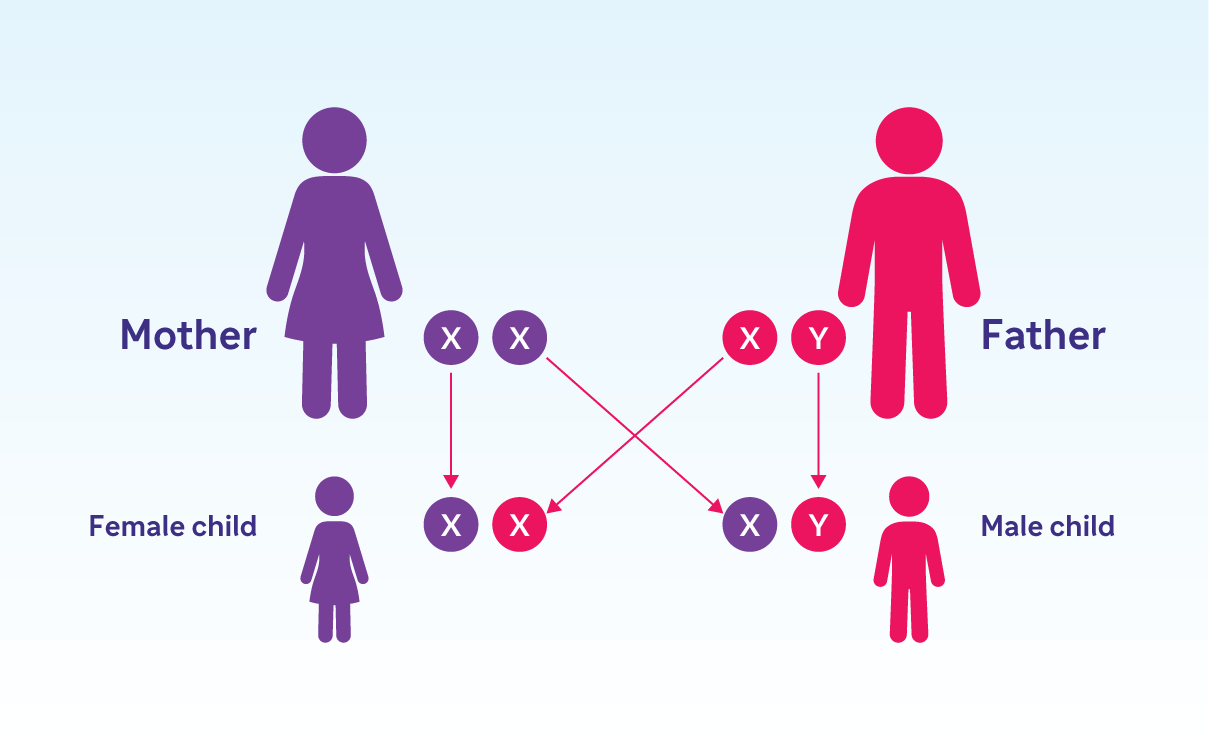
The hemophilia gene is only carried on the X chromosome, and it can be passed down from parent to child.
Males have one X chromosome and one Y chromosome, described as XY, and always inherit their X chromosome from their female parent. Females, however, have two X chromosomes, described as XX, and inherit one from each parent.
The way hemophilia is inherited is therefore different in male and female children and depends on whether it is the male or female parent who has hemophilia.
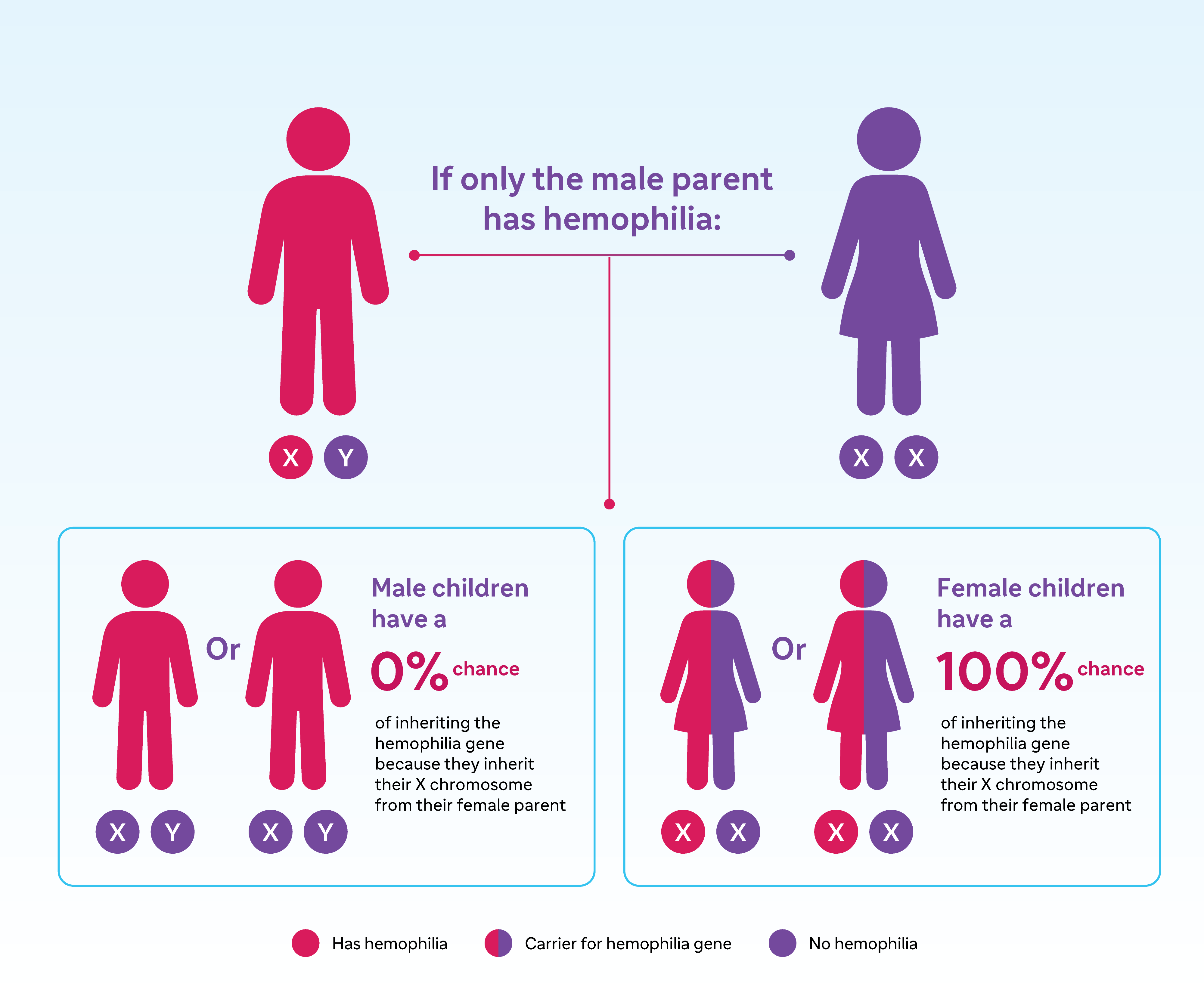
Inheriting hemophilia from a male parent
If only the male parent has hemophilia:
- Male children have a 0% chance of inheriting hemophilia because they inherit their X chromosome from their female parent
- Female children have a 100% chance of being carriers of hemophilia because the affected X chromosome is passed down from their male parent
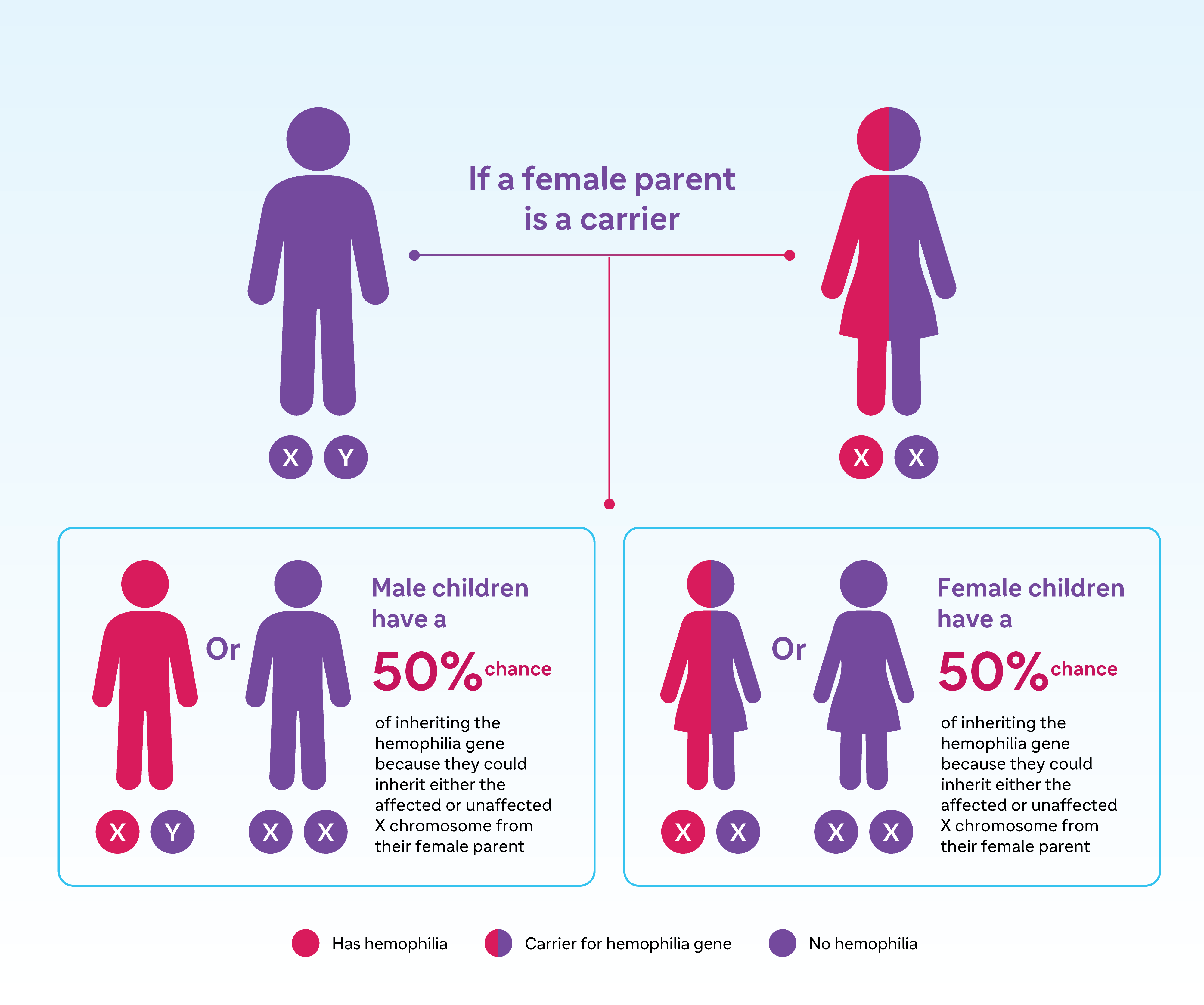
Inheriting hemophilia from a female parent
If the female parent is a hemophilia carrier:
- Male children have a 50% chance of inheriting hemophilia because they could inherit either the affected or unaffected chromosome from their female parent
- Female children have a 50% chance of inheriting the hemophilia gene because they could also get either the affected or unaffected X chromosome from their female parent
Women can be more than “just a hemophilia carrier”
The beliefs that hemophilia only affects men or that female carriers experience no symptoms are common misconceptions.
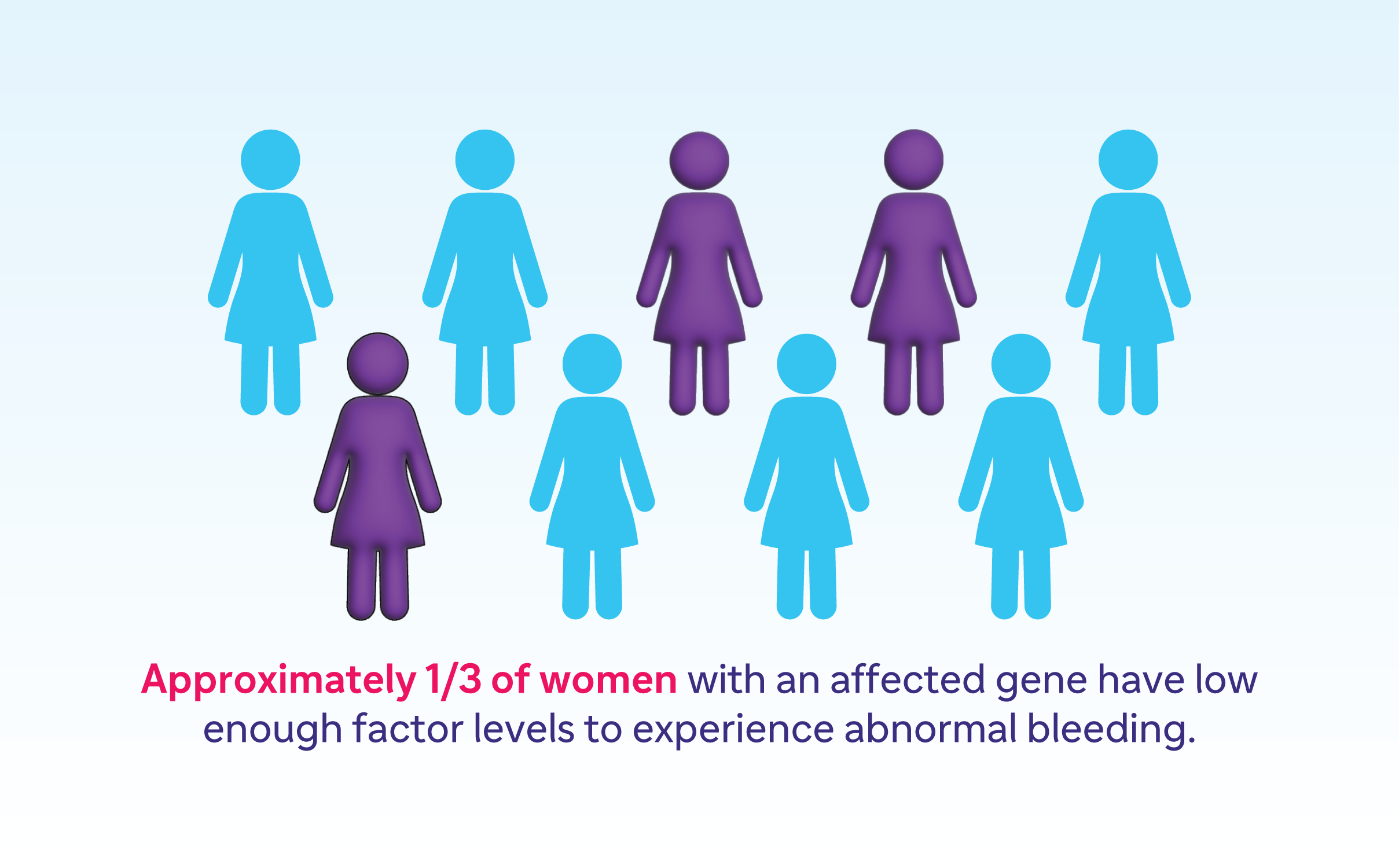
Statistics suggest that approximately a third of women who have even just one hemophilia affected gene have low enough factor levels to experience abnormal bleeding.
In the US surveillance database, Centers for Disease Control and Prevention (CDC) Community Counts, women account for:
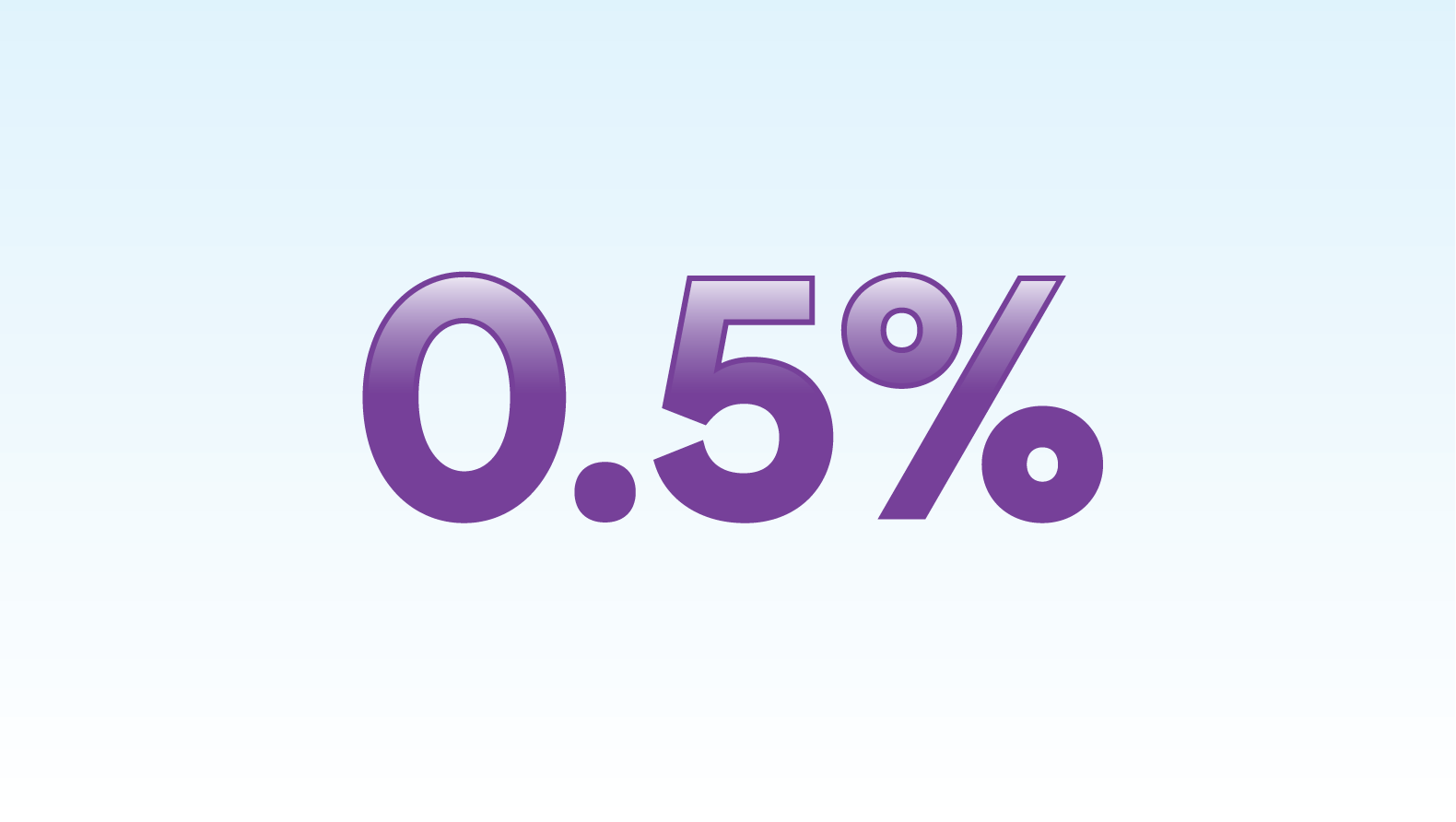
Severe cases of hemophilia
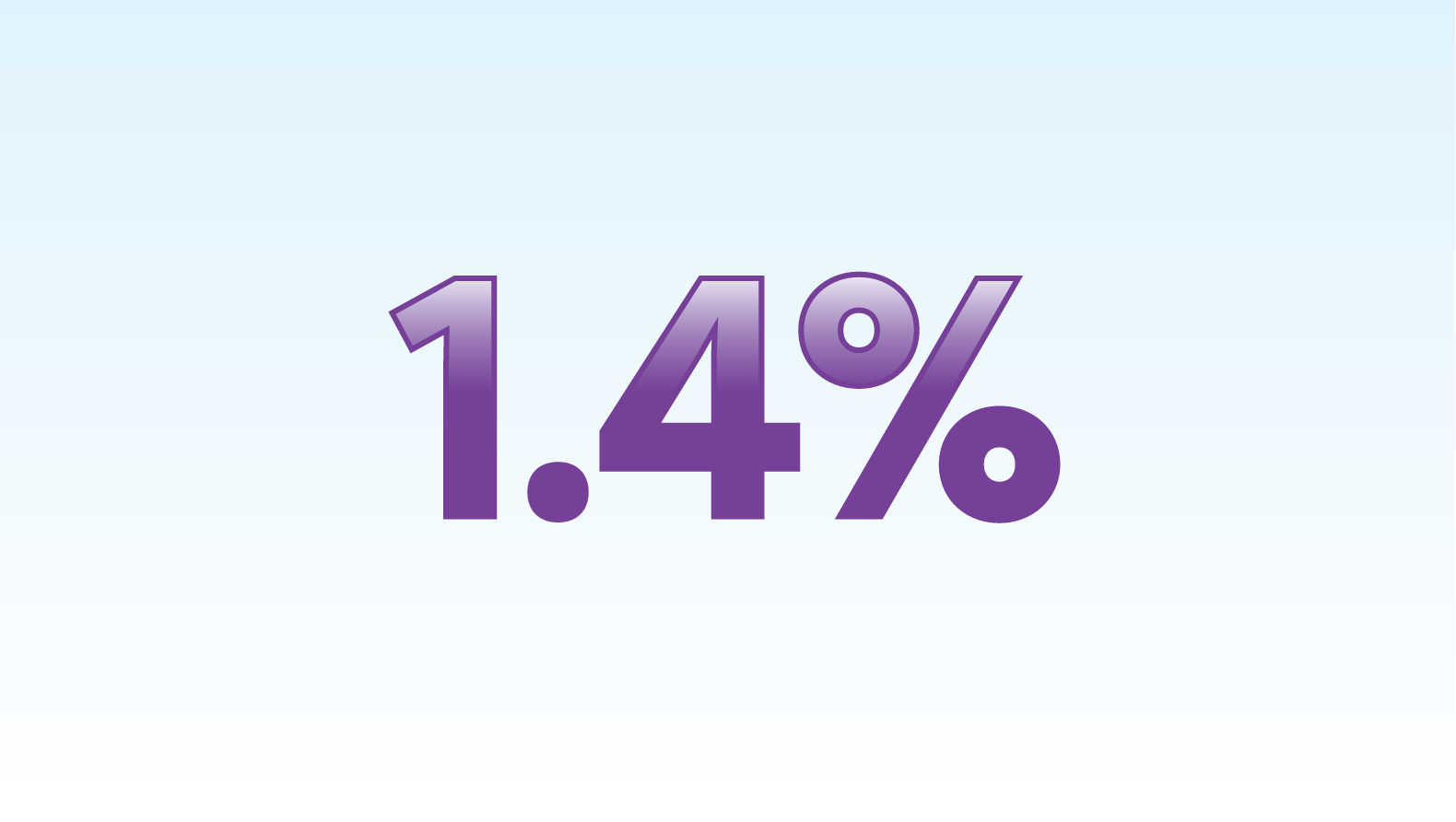
Moderate cases of hemophilia

Mild cases of hemophilia
Diagnosis of hemophilia in females
Hemophilia diagnosis is often missed in women, or women are misdiagnosed because of the common belief that women can only be carriers.
The path to diagnosis for women is, therefore, very different from the diagnosis pathway of men.
Studies suggest that males are diagnosed with hemophilia much earlier in life than females. For example, one study found that, on average, males were diagnosed with hemophilia at 2 days old.* Whereas another study found that, on average, females were diagnosed with hemophilia at 22.6 years old.

Males were diagnosed with hemophilia at
2 days old

Females were diagnosed with hemophilia at
22.6 years old
Some women may not be aware that they are carriers until they give birth to a male with hemophilia, which is why it is important for all family members to be tested.
*In this study, infants had to be diagnosed with hemophilia before the age of 2 years old in order to be included in the study, leading to an artificially low median age at diagnosis.
Testing for factor activity levels
People with hemophilia have lower levels of the clotting protein Factor VIII in their blood. Therefore, testing for Factor VIII activity levels helps in the diagnosis of hemophilia, as well as establishing the severity of hemophilia.
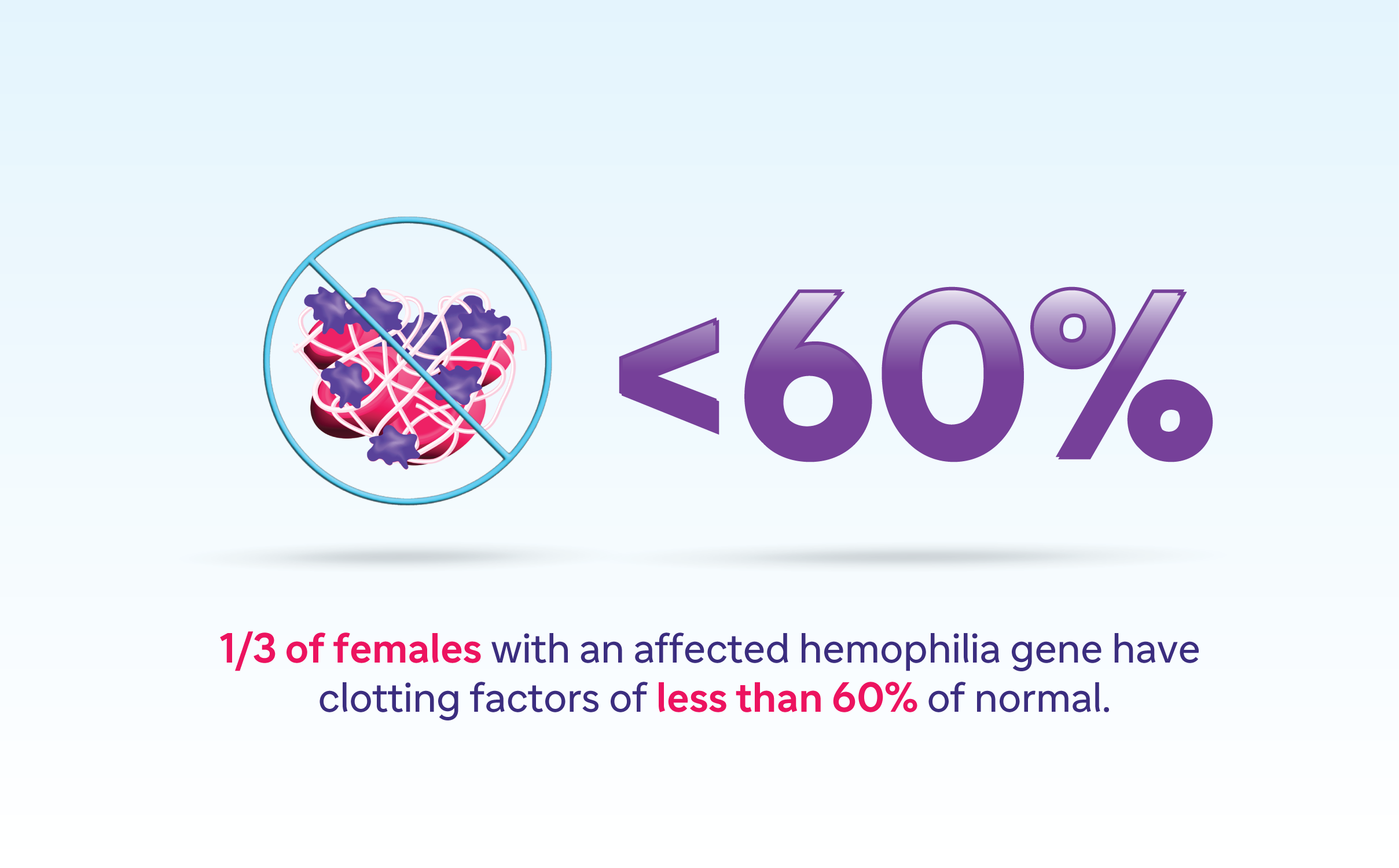
As approximately one-third of females with an affected hemophilia gene have clotting factor levels of less than 60% of normal, it is important for them to know their factor activity levels to help women and girls understand how it may impact their daily life.
Learn more about Factor VIII activity levels and how they may impact daily life.
Signs and symptoms of hemophilia in females
Females with hemophilia can experience the same symptoms as a male with hemophilia, such as:
- Bruising
- Swelling, pain, and tightness in the muscles and joints, especially the knees, elbows, and ankles
- Symptoms after receiving a shot
- Continued long-term symptoms after an accident, getting cut, losing a tooth, or having surgery
Additionally, people with hemophilia may experience:
- Frequent nosebleeds
- Blood in urine or stool
Females with hemophilia may also experience:

Heavy or prolonged bleeding during their period
This can become serious, even life-threatening, especially in women with low factor levels.
Bleeding during pregnancy or following childbirth or miscarriage
Delayed diagnosis or lack of diagnosis can mean that necessary precautions, like avoiding the use of forceps or a vacuum extractor, aren’t considered.

More severe bleeding during perimenopause
Women in perimenopause are at risk of more bleeding symptoms and may require treatment.
In addition to physical symptoms of hemophilia, it may also impact the mental health of female and male parents, as they are burdened with the knowledge that they may pass on an affected X chromosome to their children.
Barriers in the healthcare system for women with hemophilia
Women with hemophilia face several barriers and limitations to receiving the correct diagnosis and, therefore, to being able to live a healthy life with hemophilia. This includes a lack of:
- Formal testing for factor levels
- Insurance coverage for medications
- Recognition by healthcare professionals
- Information available about the impact of hemophilia and women
- Support programs for women with hemophilia
More needs to be done in the healthcare community to help test for and diagnose hemophilia in women to make sure women receive the best care and support they need in order to live healthy lives.

It’s time for women to be a part of the conversation.

With an established safety profile

With once-weekly infusions
Find your CoRe Manager and connect today!
Sanofi Hemophilia Community Relations and Education (CoRe) Managers offer education to
people living with hemophilia and their families. CoRe Managers provide information about
living with hemophilia and treatment options. Use our handy CoRe Locator to find the CoRe
team member nearest you.
ALTUVIIIO® [antihemophilic factor (recombinant), Fc-VWF-XTEN fusion protein-ehtl] is an injectable medicine that is used to control and reduce the number of bleeding episodes in people with hemophilia A (congenital Factor VIII deficiency).
Your healthcare provider may give you ALTUVIIIO when you have surgery.
What is the most important information I need to know about ALTUVIIIO?
Do not attempt to give yourself an injection unless you have been taught how by your healthcare provider or hemophilia center. You must carefully follow your healthcare provider’s instructions regarding the dose and schedule for injecting ALTUVIIIO so that your treatment will work best for you.
Who should not use ALTUVIIIO?
You should not use ALTUVIIIO if you have had an allergic reaction to it in the past.
What should I tell my healthcare provider before using ALTUVIIIO?
Tell your healthcare provider if you have had any medical problems, take any medications, including prescription and non-prescription medicines, supplements, or herbal medicines, are breastfeeding, or are pregnant or planning to become pregnant.
What are the possible side effects of ALTUVIIIO?
You can have an allergic reaction to ALTUVIIIO. Call your healthcare provider or emergency department right away if you have any of the following symptoms: difficulty breathing, chest tightness, swelling of the face, rash, or hives.
Your body can also make antibodies called “inhibitors” against ALTUVIIIO. This can stop ALTUVIIIO from working properly. Your healthcare provider may give you blood tests to check for inhibitors.
The common side effects of ALTUVIIIO are headache and joint pain.
These are not the only possible side effects of ALTUVIIIO. Tell your healthcare provider about any side effect that bothers you or does not go away.
Please see full Prescribing Information.
Learn more about Sanofi’s commitment to fighting counterfeit drugs.
![ALTUVIIIO [Antihemophilic Factor (Recombinant), Fc-VWF-XTEN Fusion Protein-ehtl] logo](/dam/jcr:0bd6aa08-1390-4c29-8440-7d6809e35b97/Altuviiio.2025-09-16-18-53-38.svg)