![ALTUVIIIO® [Antihemophilic Factor (Recombinant), Fc-VWF-XTEN Fusion Protein-ehtl] logo](/.imaging/default/dam/Marketing/AltuviiioUS/altuviiio.webp/jcr:content.webp)
Factor VIII activity levels: What they are and why they are important in hemophilia A
Hemophilia A and Factor VIII deficiency
Hemophilia A is an inherited disorder passed down from male or female parents that causes the clotting protein Factor VIII to be missing or not work properly. This is also referred to as Factor VIII deficiency.
So why is Factor VIII deficiency an issue?
When an injury occurs, a process called hemostasis takes place at the injury site, where your blood forms a clot to stop the bleeding.
Hemostasis takes place in 2 parts:
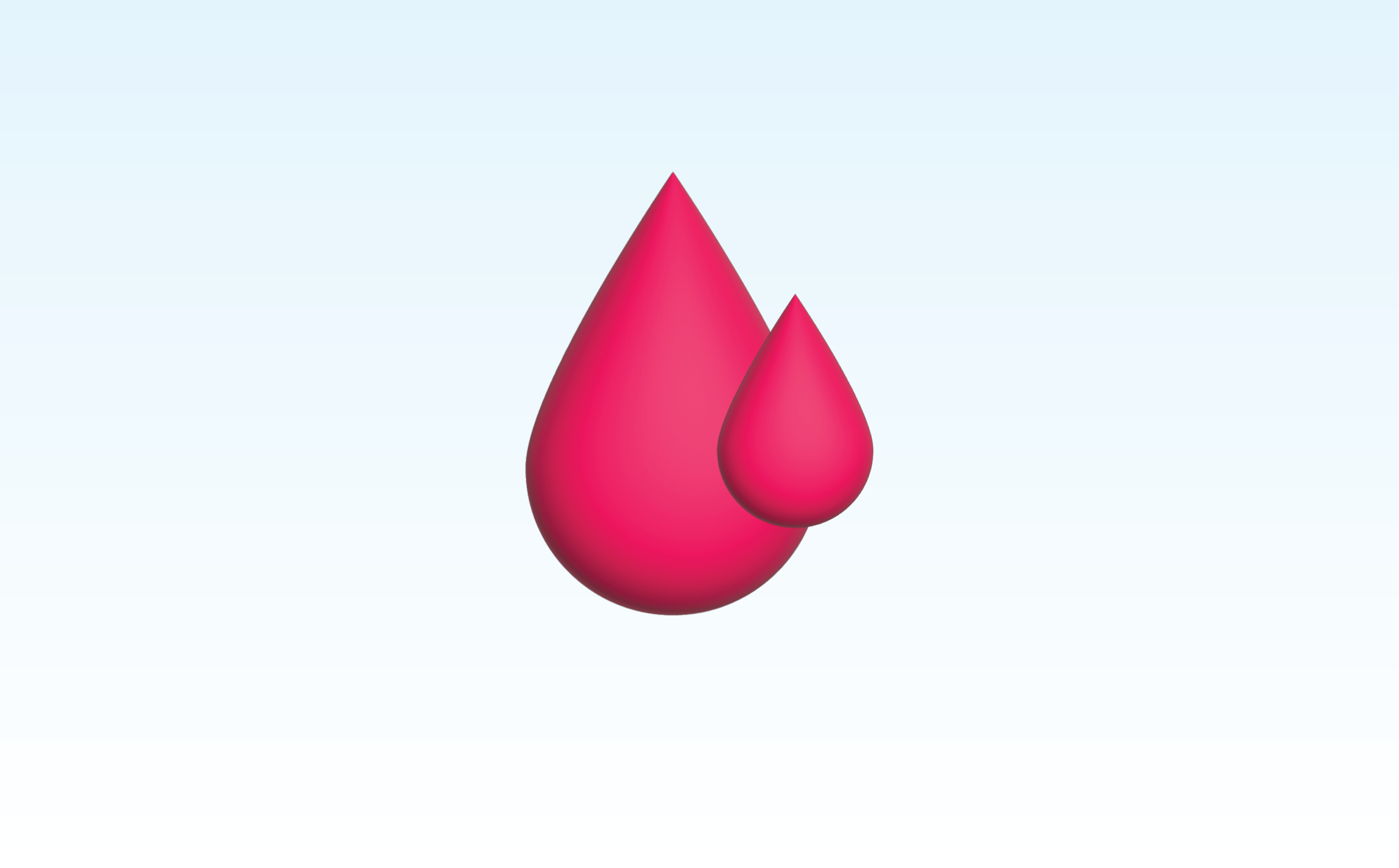
Primary hemostasis
Platelets (small cell fragments in our blood) move to the area of injury, and, with another protein called von Willebrand factor, they form a “platelet plug” to help reduce blood loss.

Secondary hemostasis
A process called the “clotting cascade” is activated, creating the thrombin molecule, which converts to fibrin and forms a “fibrin mesh” around the platelets at the site of injury. This stabilizes the clot and stops the bleeding.
Factor VIII is a vital protein involved in the hemostasis process. Without enough Factor VIII (ie, if you have Factor VIII deficiency), your body generates less thrombin, blood can't clot properly, and excessive bleeding can occur.
What are factor activity levels?
The amount of Factor VIII in your blood is called your "factor activity level"
Everyone's factor levels are different, and they can change over someone's lifetime.
However, people with lower factor levels have a greater bleed risk, and people with higher factor levels are better protected from bleeds.
Because of differing Factor VIII activity levels, every person with hemophilia has unique treatment goals that need to be tailored to their individual needs. That's why it's important to talk to your doctor about managing your hemophilia.
How can Factor VIII activity levels impact lifestyle and activity?
Factor levels can impact lifestyle and activity
You may choose to make lifestyle adjustments or engage in less-physical activities to reduce the risk of bleeding and pain associated with hemophilia.
The severity of hemophilia can also impact your ability to be active and take part in physical activities. The lower a person's Factor VIII activity levels are, the lower their level of physical activity tends to be. It's important to speak to your doctor about the best way to manage your hemophilia.
See how different Factor VIII activity levels might impact your ability to perform certain activities:
General guidelines on Factor VIII levels and their impact on the ability to perform activities
Normal levels (50% - 150% factor activity)
May engage in higher-impact activity without pain (sports, physical jobs, and active days)
Near-normal levels* (≥40% - <50% factor activity)
Near-normal factor activity levels are currently undefined by the World Federation of Hemophilia
Mild hemophilia (5% - <40% factor activity)
May engage in higher-risk activities (aerobics, Pilates, bicycling, swimming), with some pain
- Appropriate level of physical activity should be evaluated on a case-by-case basis
- Supplemental factor is needed for surgery
Moderate hemophilia (1% - 5% factor activity)
May engage in limited activity with some pain (walking, golfing, sailing, gardening), with a risk of spontaneous bleeds or microbleeds
- Requires minor adjustments in lifestyle, and the physical activity level can be mild and moderate
- Supplemental factor is needed for surgery
Severe hemophilia (<1% factor activity)
A person's lifestyle is considered “vulnerable,” which means their level of physical activity is low to sedentary
- There is a high risk of spontaneous bleeds and pain with target joints
- Supplemental factor is needed for surgery
*WFH guidelines define the upper limit of mild hemophilia as 40% factor activity and the WFH Introduction to Hemophilia defines the normal range as 50% to 150%, which indicates that 40% to 50% would be in between mild hemophilia and normal, here referred to as “near-normal” levels.
WFH=World Federation of Hemophilia.
Hemophilia A treatment and Factor VIII activity levels
One type of treatment for people with hemophilia A is Factor VIII replacement therapy, which helps to replace missing Factor VIII in your blood due to hemophilia A
These treatments can be taken regularly, called prophylaxis, to help prevent bleeds. They can also be given on demand during a bleeding episode to help stop bleeding or perioperatively to help manage bleeding during and around the time of surgery.
The World Health Organization (WHO) and the WFH recommend prophylaxis treatment over on-demand treatment in order to help prevent damage and other complications caused by bleeding.
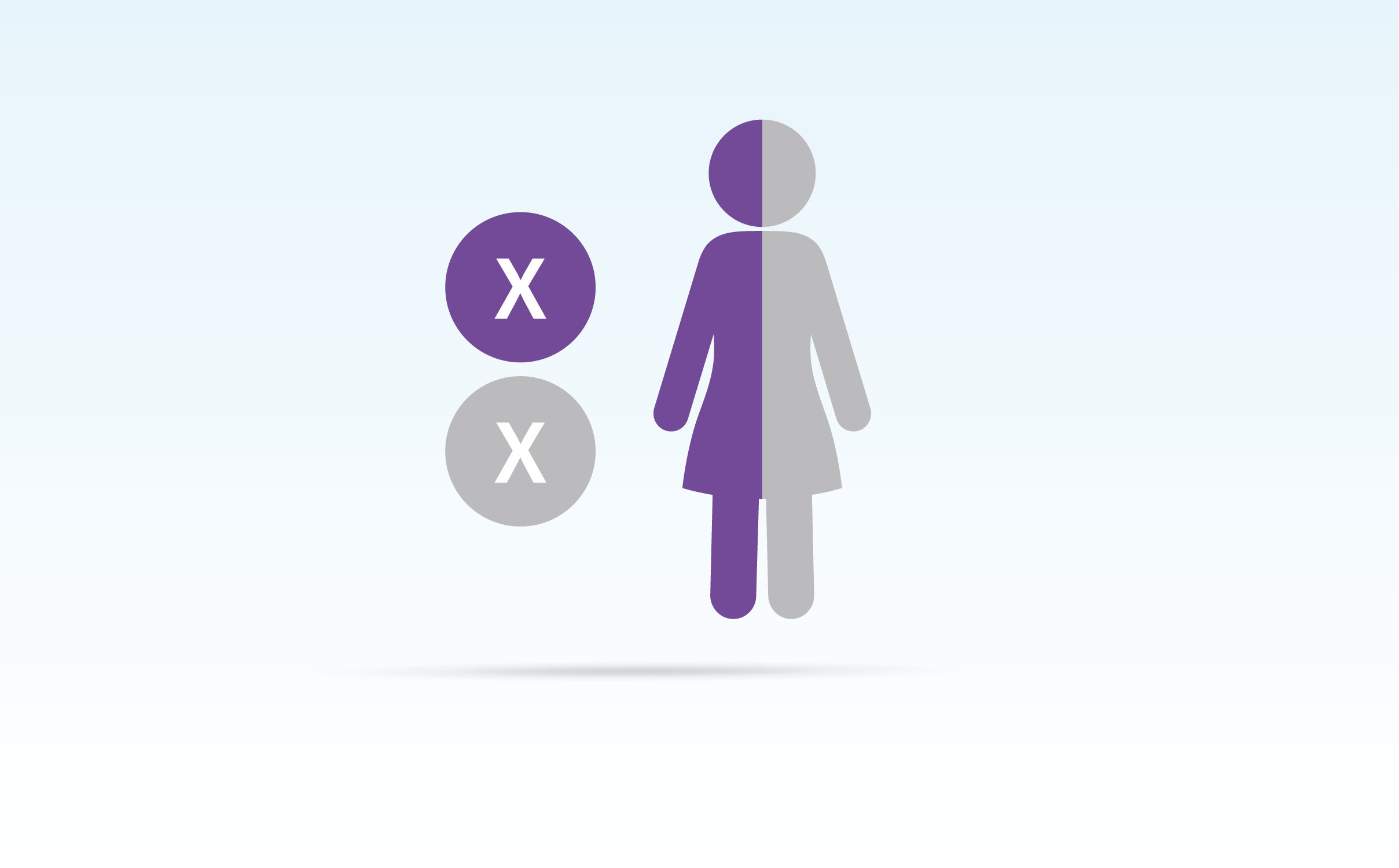
Learn more about the impact of hemophilia on women
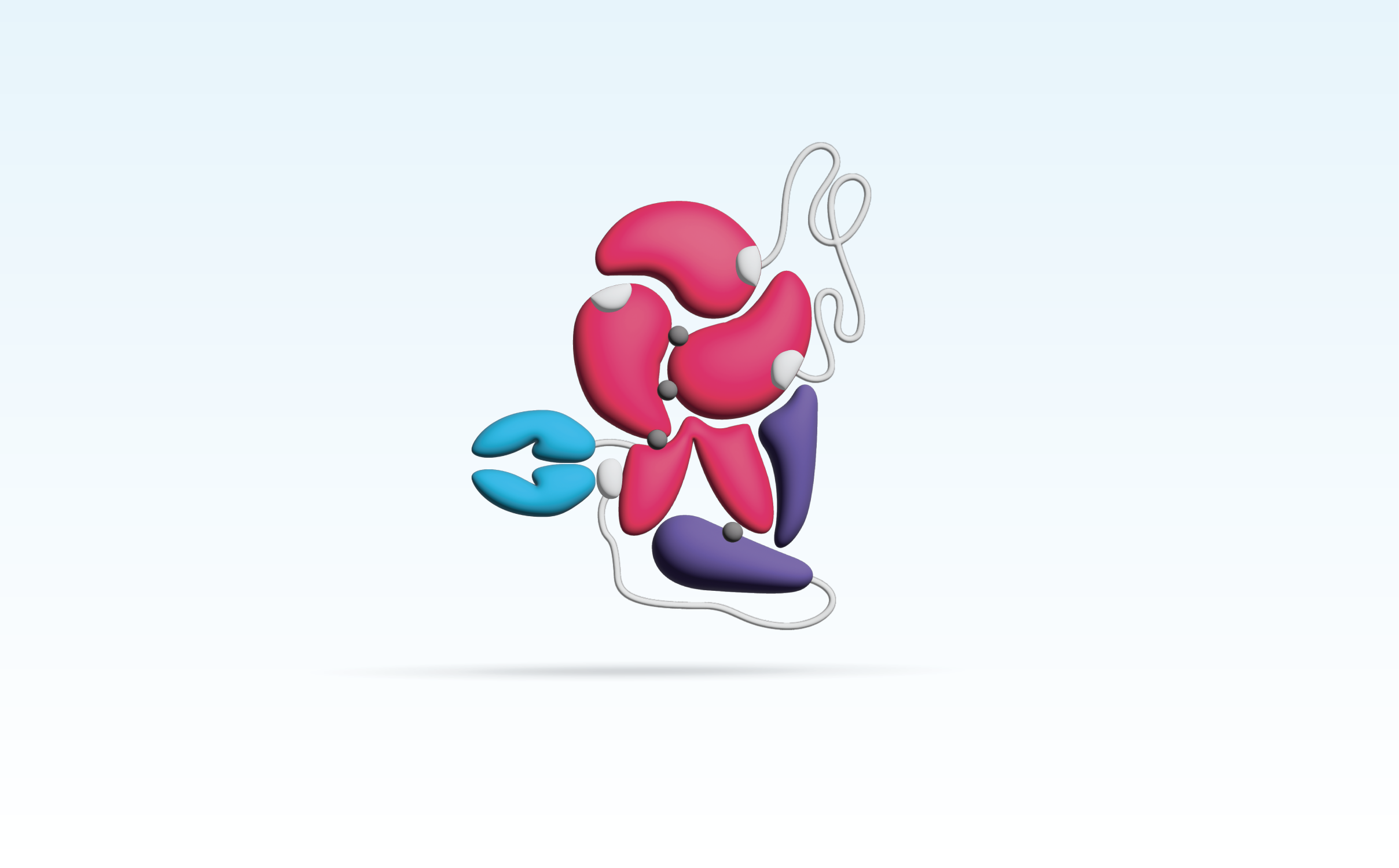
Learn about a treatment option that has a unique design
Find your CoRe Manager and connect today!
Sanofi Hemophilia Community Relations and Education (CoRe) Managers offer education to
people living with hemophilia and their families. CoRe Managers provide information about
living with hemophilia and treatment options. Use our handy CoRe Locator to find the CoRe
team member nearest you.
ALTUVIIIO® [antihemophilic factor (recombinant), Fc-VWF-XTEN fusion protein-ehtl] is an injectable medicine that is used to control and reduce the number of bleeding episodes in people with hemophilia A (congenital Factor VIII deficiency).
Your healthcare provider may give you ALTUVIIIO when you have surgery.
What is the most important information I need to know about ALTUVIIIO?
Do not attempt to give yourself an injection unless you have been taught how by your healthcare provider or hemophilia center. You must carefully follow your healthcare provider’s instructions regarding the dose and schedule for injecting ALTUVIIIO so that your treatment will work best for you.
Who should not use ALTUVIIIO?
You should not use ALTUVIIIO if you have had an allergic reaction to it in the past.
What should I tell my healthcare provider before using ALTUVIIIO?
Tell your healthcare provider if you have had any medical problems, take any medications, including prescription and non-prescription medicines, supplements, or herbal medicines, are breastfeeding, or are pregnant or planning to become pregnant.
What are the possible side effects of ALTUVIIIO?
You can have an allergic reaction to ALTUVIIIO. Call your healthcare provider or emergency department right away if you have any of the following symptoms: difficulty breathing, chest tightness, swelling of the face, rash, or hives.
Your body can also make antibodies called “inhibitors” against ALTUVIIIO. This can stop ALTUVIIIO from working properly. Your healthcare provider may give you blood tests to check for inhibitors.
The common side effects of ALTUVIIIO are headache and joint pain.
These are not the only possible side effects of ALTUVIIIO. Tell your healthcare provider about any side effect that bothers you or does not go away.
Please see full Prescribing Information.
Learn more about Sanofi’s commitment to fighting counterfeit drugs.
![ALTUVIIIO [Antihemophilic Factor (Recombinant), Fc-VWF-XTEN Fusion Protein-ehtl] logo](/dam/jcr:0bd6aa08-1390-4c29-8440-7d6809e35b97/Altuviiio.2025-09-16-18-53-38.svg)